
december 2025
December Blog
Why Rescue Dogs Deserve a Second Chance
There’s no doubt that dogs enrich our lives. When you give a dog love, they return it tenfold.
Last month, we talked about the Rule of 7 for breeders, to highlight the importance of raising happy and healthy puppies. This month, we’re focusing on the Rule of 3—a vital guideline for anyone adopting a rescue dog.
Why Patience Matters
Too often, rescue dogs are given up too soon. These dogs come from difficult backgrounds—abuse, neglect, abandonment—and rescues work tirelessly to rehabilitate them, often providing costly veterinary care.
It’s important to remember: a rescue dog may not immediately fit the picture-perfect family pet you imagined. Something as simple as going for a walk might feel completely alien to a dog that’s spent most of its life in a kennel or crate. Every dog is unique. While some settle into their new home right away, others may feel a little shy or reserved at first—and that’s completely normal. Remember, they’ve just left their littermates, which is a big change. With patience and love from their forever family, they’ll soon feel comfortable and start enjoying their new life.
The Reality for Rescues
Pet abandonment is rising sharply. The RSPCA reports a 25% increase in 2025 compared to last year. Rescues are already stretched thin, facing soaring costs and preparing for the post-holiday surge in surrendered pets.
The pandemic added to the problem—many people adopted pets during lockdown, only to give them up when life returned to normal. Meanwhile, online puppy sales continue to grow, with unscrupulous breeders advertising cheap litters ready for Christmas. Sadly, this fuels a cycle of buying and reselling for profit.
Recent headlines tell heart-breaking stories: dogs and puppies abandoned in laybys, even a crate of terrified puppies left outside during recent storm Claudia.
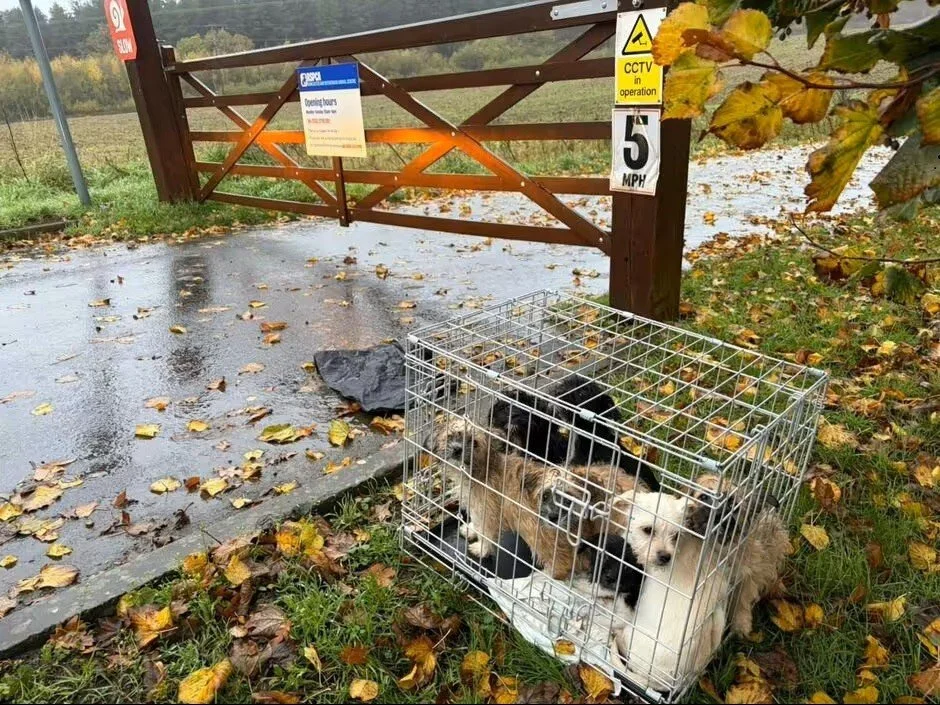
RSPCA
The Rule of 3: Helping Your Dog Adjust
The 3-3-3 Rule explains how long it takes for a rescue dog to settle:
3 Days – Your dog will feel overwhelmed and stressed. Give them space, keep things calm, and let them adjust to their new environment.
3 Weeks – They start to relax and show their personality. This is a great time to begin gentle training and bonding.
3 Months – They feel secure and part of the family. They’ll learn routines like mealtimes, walks, and treats.
Every dog is different—some may settle quickly, others need more time, especially if they’ve experienced trauma. To help ensure a successful adoption, it’s important for potential adopters to understand the “Rule of 3,” which outlines the typical stages of adjustment and helps prevent adoption failures.
Consider an Older Dog
Older dogs are often overlooked, but they can make wonderful companions. They’re usually calmer, already house-trained, and eager for love. Sadly, if they aren’t adopted, they face the risk of being put to sleep.
Support and Resources
If you know someone struggling to care for their pet, the RSPCA can help with foodbanks across England and Wales, plus money-saving tips for pet care.

At the very least, let’s raise awareness about responsible dog ownership—and give rescue dogs the second chance they deserve.