
June 2026
There is currently no reliable way to monitor the breeding and sale of dogs and puppies on WhatsApp groups. How is this continuing to go unnoticed?
WhatsApp is an incredibly popular messaging platform with many benefits. However, it has also become saturated with hundreds of groups dedicated to buying and selling dogs—many of which are operating illegally and avoiding even the most basic welfare checks.
Within these groups, sellers frequently source puppies from unregulated and often cruel puppy farms. Breeding females are overused, kept in poor conditions, and treated as commodities rather than animals. Puppies are commonly sold far too young—often at just 6–7 weeks old—despite UK law requiring that puppies must not leave their mother until at least 8 weeks of age.
In many cases, these puppies are sold without vaccinations, worming, or flea treatment. Buyers are misled with fake or inaccurate paperwork, including forged claims of Kennel Club (KC) registration. Authentic KC registration is intended to provide traceability and responsible breeding standards, yet these false documents undermine consumer trust and animal welfare.
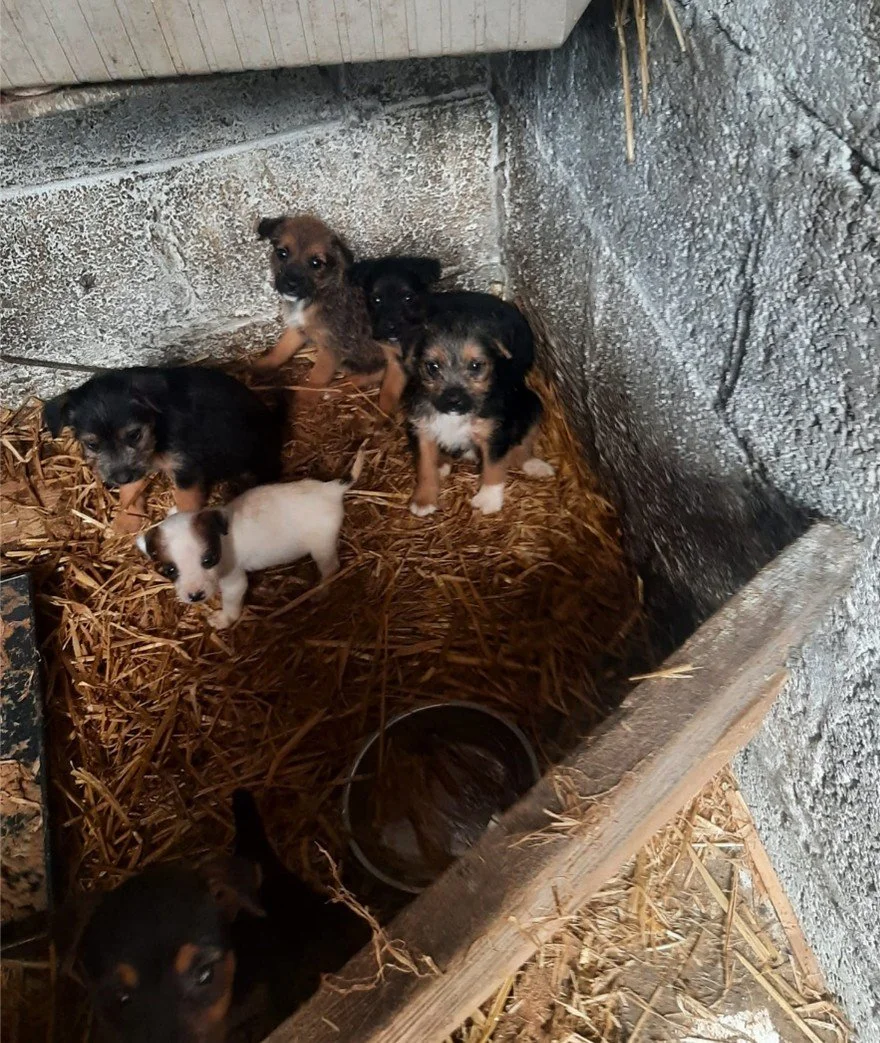
What We Are Seeing in These Groups
Some of the posts we regularly encounter include:
“Any litters of pups for cheap prices”
“Bitch for sale, about 2 years old, throws some good litters”
“Any bitches for sale, got to be under 3 years”
“Mother and full litter going cheap”· “KC papers for sale” (clearly fake for certain breeds)
The images and videos shared are deeply concerning:
Puppies kept on dirty concrete floors, often with little or no bedding
Unsanitary environments with clear signs of neglect
Puppies and mothers being handled roughly, appearing frightened and withdrawn
Mothers visibly exhausted from repeated breeding cycles
Dogs advertised as “ready to go” well before 8 weeks
Females described as “ready to drop” or being sold immediately after—or even between—litters
Posters rarely mention basic health care, and when they do, it is often unverified or misleading.
It is also important to note that it is a legal requirement in the UK for all dogs to be microchipped, with the keeper’s details registered and kept up to date. Yet many of these sales make no mention of microchipping at all.
Transport and Wider Exploitation
We are also seeing individuals offering to transport dogs and puppies between Northern Ireland and mainland UK. This raises further concerns around illegal movement, lack of health checks, and biosecurity risks.
In addition to illegal breeding and selling, there have been instances of individuals sharing footage of wildlife cruelty in these groups. These have been reported, yet enforcement remains challenging.
Why Is It So Difficult to Stop?
WhatsApp, like other Meta platforms, officially prohibits the sale of animals. However, enforcement is extremely difficult due to end-to-end encryption, which prevents the company from accessing the contents of private messages or group chats.
While WhatsApp can identify accounts, phone numbers, and IP-related data, offenders often use “burner phones” and frequently change accounts, making tracing difficult. When accounts are reported, WhatsApp may only review a limited number of recent messages before banning them—allowing offenders to quickly reappear elsewhere.
As a communications platform rather than a law enforcement agency, WhatsApp cannot investigate crimes directly. Responsibility is instead passed to organisations such as the police, local councils, or the RSPCA.
Risks to Buyers
Buying a puppy through WhatsApp groups carries serious risks:
Health risks – Puppies may be unwell, unvaccinated, or carry diseases
Emotional distress – Owners may face the heartbreak of a sick or dying pet
Financial strain – Unexpected veterinary bills can be significant
Fraud – Buyers may be misled or scammed entirely
What Can You Do?
If you come across a group or post promoting illegal breeding or selling:
1. Report the group or individual through the app
2. Take screenshots and gather as much evidence as possible
3. Report it to your local authority, the police, or the RSPCA
While technology has enabled easier communication, it has also created spaces where animal welfare is being seriously compromised. Greater awareness, reporting, and accountability are essential if this hidden trade is to be challenged effectively.