
March 2026
Enforcement, Regulation and the Future of Animal Welfare in the UK
Anyone who has ever shared their life with a dog knows that feeling.
You’re standing in the vet’s waiting room, heart in your throat, worrying about your beloved companion. At the same time, there’s that quiet, nagging fear in the back of your mind: How much is this going to cost? And sometimes—far more than any of us would like—we find ourselves faced with difficult decisions, balancing love, worry and affordability.
Modernising the Veterinary Sector
The Government has announced plans for the biggest overhaul of the veterinary sector in around 60 years. These reforms aim to bring clearer pricing, better transparency, and stronger protections for pet owners, while also supporting the vets and vet nurses who play such a vital role in our communities. The plans will require vet practices to publish clear pricing, disclose ownership and operate under new licensing rules, helping pet owners make informed choices and avoid unexpected costs. These changes have recently been the focus of national news coverage.
Pets are family—and none of us should have to worry about being unable to afford the care they need. These changes are a promising step toward a system that works better for everyone: pet owners, veterinary professionals, and most importantly, the animals we love.
Rescues and the Call for Stronger Regulation
Across the UK, many animal rescues operate without any formal legal regulation. While countless rescues do remarkable work, a lack of consistent oversight leaves the door open for unethical practices.
Some organisations—often unknowingly supported by well meaning members of the public—have been linked to unethical practices, including irresponsible breeding, misuse of donations, and even neglect of the animals they claim to protect. While certain rescues claim to be saving ex-breeding dogs that would otherwise would be disposed of, in reality some are part of a wider pipeline in which dogs are offloaded from large-scale well-known puppy farms in Ireland. So, instead of ending unethical breeding, these organisations are providing an outlet for farmed dogs.
Without enforceable standards, animals can suffer in poor conditions, and the public’s trust in genuine, hardworking rescues is undermined.
Why Regulation Matters
We are calling on the Government to introduce:
Mandatory licensing for all rescue organisations
Regular inspections
Clear standards for animal care, recordkeeping and governance
Meaningful penalties for failing to meet welfare standards
Regulation is essential to prevent cruelty, improve accountability, and ensure every rescued animal is treated with the care and compassion they deserve.
Recent news from Essex—where numerous dogs were found deceased at a rescue after owners entrusted them with their beloved pets—has shocked the nation. And rightly so. Events like this prompt a painful but necessary question: How can this still happen in the UK? We must ensure it cannot happen again.
A Positive Step in Wales: Funding for Animal Licensing
Amid these concerns, there is encouraging news from Wales.
The Welsh Government has announced continued funding for Animal Licensing Wales—an initiative recognised and supported by the RSPCA, local authorities and Hope Rescue—for both 2025/2026 and 2026/2027. An additional £1 million has been committed for 2026/27 to support:
Enforcement against unlawful breeding
Prosecution of offenders
A dedicated animal welfare enforcement team
Specialist training
Expansion of an online licensing portal
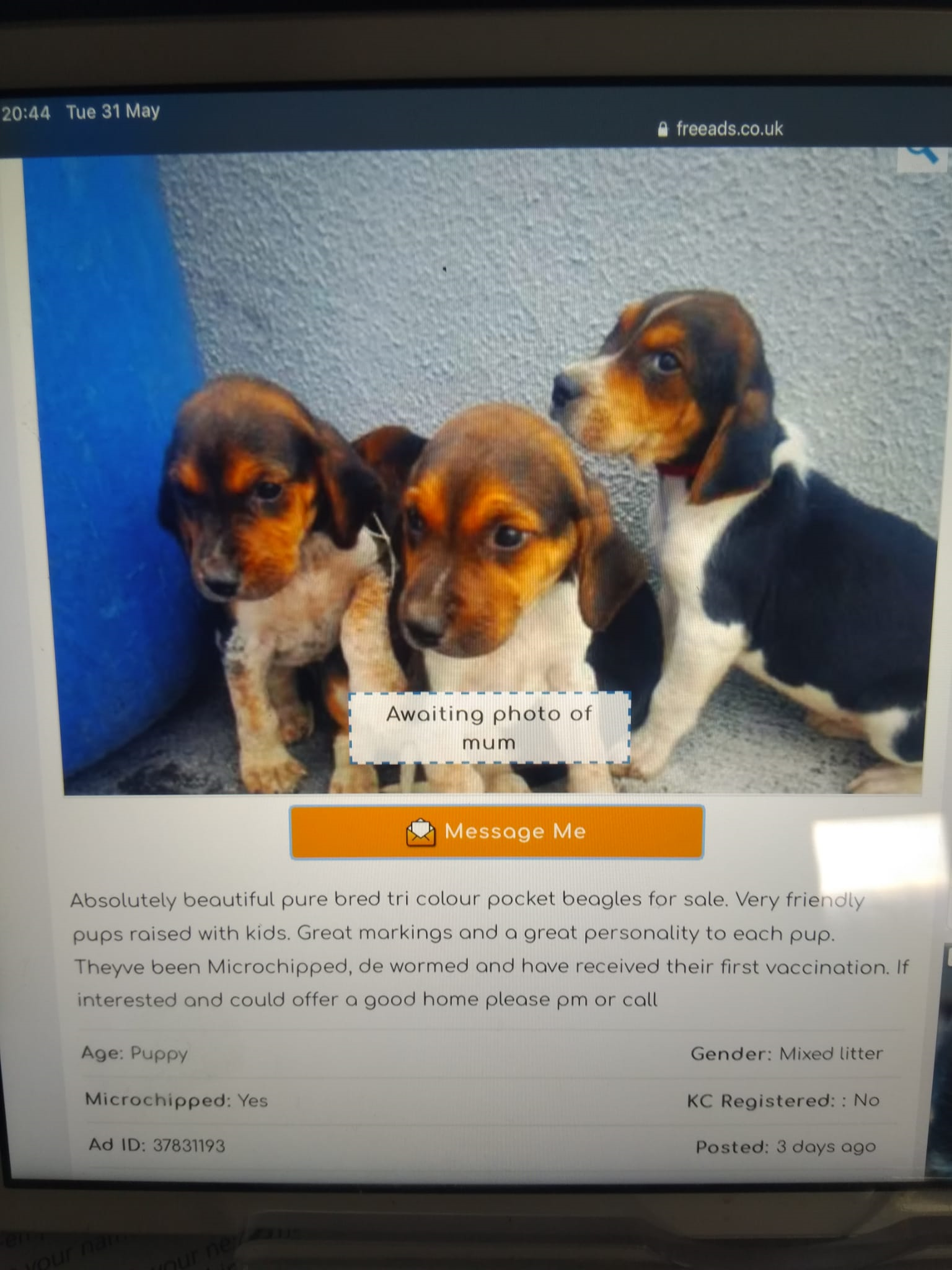
Its impact is already becoming evident. In Carmarthenshire, four individuals have recently been prosecuted after pleading guilty to offences under the Breeding of Dogs (Wales) Regulations 2014. The case involved multiple litters of puppies being advertised across the major selling sites, prompting further investigations. Authorities later discovered 25 dogs being kept at a single property—most of them females confined and used solely for breeding, just like battery hens.
Looking Ahead
There is much to be hopeful about: the modernisation of the veterinary sector, the strengthening of licensing and enforcement across the UK, and the continued development of a national animal welfare strategy. These are meaningful steps forward.
But alongside this progress, we must not lose sight of the bigger picture: the UK still needs a comprehensive overhaul of its animal welfare regulatory framework. Too many gaps remain, too many loopholes persist, and too many animals continue to suffer because the systems designed to protect them are outdated or inconsistently applied.
Animals deserve better. Rescues deserve clear, enforceable standards. And the public deserves transparency and confidence in the organisations they support.
Let’s hope we don’t have to wait too long for meaningful, nationwide change.
https://www.bbc.co.uk/news/articles/cg5n65l0nv7o
https://nation.cymru/news/illegal-dog-breeders-ordered-to-pay-over-100000-following-investigation/